West Nile Innovation Hub

West Nile Innovation Hub

Regenerative & Inclusive Food Systems for West Nile Region, Uganda

Learn More

Building Resilient Communities

Empowering farmers, innovators, and policymakers to transform food systems

View Programs

Let's make it happen together

Great things happen when doers, thinkers, and enablers join forces

Partner With Us

Together, We Turn Ideas into Impact

Discover the people, ideas, and partnerships transforming businesses and communities across West Nile.

Explore Our Impact

Welcome to WNIH

The West Nile Innovation Hub (WNIH) is a Food System Innovation Platform working towards Regenerative and Inclusive Food Systems (RIFS) in the West Nile Region of Uganda. We bring together diverse stakeholders to transform the regional food system through collaboration, innovation, and evidence-based approaches.

Our work focuses on restoring ecosystems, building climate resilience, improving food and nutrition security, and ensuring that women, youth, and marginalized communities have a voice in shaping their food future.

Read More →
Impact Background

Our Impact at a Glance

6+

Community Groups

1,000+

Farmers Trained

20+

Active Projects
Our RIFS Principles

The framework is guided by five core RIFS principles

01
Principle 1. Sense of Place and Purpose
• Grounded in local contexts, values, history, and the unique identity of the community.
• Connects local actors with a shared, meaningful vision for where their food system should go.
02
Principle 2. Socio-Ecological Design for Innovation
• Views human communities and natural ecosystems as deeply interconnected rather than separate.
• Encourages technological, social, and institutional innovations that simultaneously nurture nature and improve livelihoods.
03
Principle 3. Building Connections
• Fosters collaboration across diverse stakeholders (farmers, researchers, policymakers, and value-chain actors).
• Strengthens networks and institutional ties through platforms like Food System Innovation Platforms and Living Labs.
04
Principle 4. Fair, Just, and Inclusive Transitions
• Ensures that marginalized groups—such as smallholders and women—are actively involved and benefit equitably.
• Prioritizes social equity, caring communities, and shared decision-making so that no one is left behind.
05
Principle 5. Design for Renewal (A Living Process)
• Treats the food system as a dynamic, living cycle rather than a static goal.
• Uses participatory monitoring, evaluation, and continuous learning to adapt over time.

Key RIFS Outcomes

The application of these five principles aims to deliver four primary outcomes

Food and Nutrition Security

Reliable access to safe, nutritious, and culturally appropriate food for all through sustainable practices.

Resilient Livelihoods

Building capacity to cope with shocks, adapt to change, and steadily improve community well-being.

Ecosystem Health

Restoring and stewarding natural resources as the foundation for sustainable food production.

Social Equity and Caring Community

Ensuring fair sharing of benefits and giving voice to marginalized groups including women, youth, and refugees.

Our Impact

Making a difference in the West Nile Region

Farmers Trained
1,000+
Farmers Trained
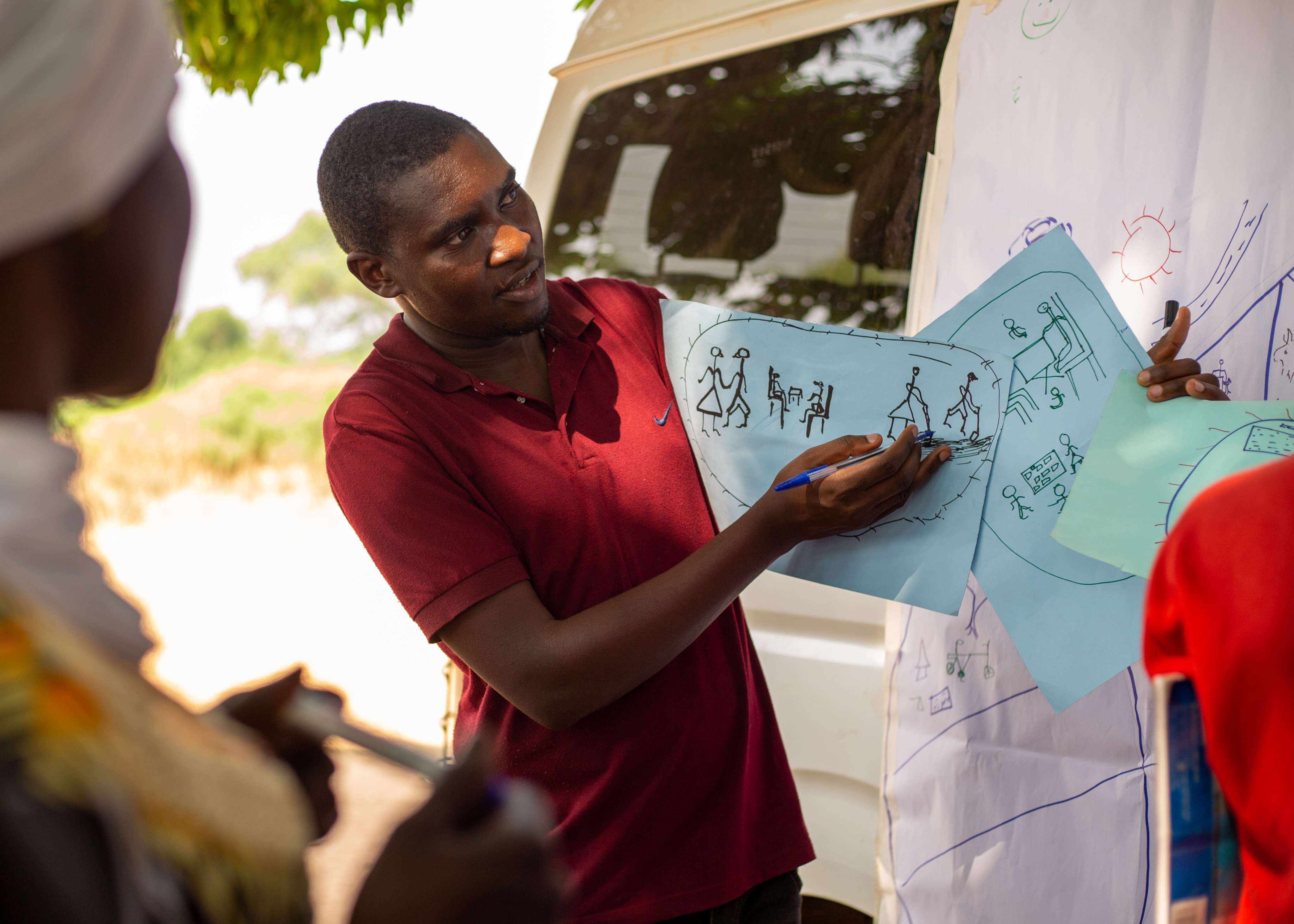
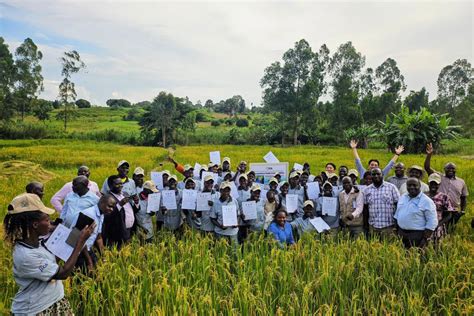
Local farmers equipped with regenerative agriculture practices
Common Interest Groups
6+
Common Interest Groups
Farmer groups organised around shared livelihood opportunities to collectively identify, test and implement innovations that strengthen livelihoods, improve ecosystem health and advance place-based Regenerative Inclusive Food Systems (RIFS)
Training Sessions
100+
Training Sessions
Hands-on workshops on sustainable farming and agribusiness
Partner Organizations
20+
Partner Organizations
Strategic partnerships with universities, NGOs, and government
1
Integrated solutions
Soil health management through communal preparation and use of compost
20+
Innovators
Individuals, groups or organisations advancing existing or emerging technical, social or institutional innovations with the potential to support regenerative and inclusive food systems.
8+
Startups
Newly established or early-stage enterprises developing innovative products, services or business models that address community needs and contribute to regenerative and inclusive food systems (RIFS).

Our Partners

Collaborating for lasting change in West Nile's food systems

Muni University

Research support, faculty expertise, and student engagement in food system transformation initiatives

Visit Website →

Muni University Business Incubation Centre

Business development support, Entrepreneur skilling, Ecosystem support and Startup Incubation support

Visit Website →

WENDA

Community outreach, farmer training programs, and market linkage development

SNOC

Collaborating on policy advocacy, institutional strengthening, and sustainable agriculture initiatives

Wageningen University

International research partner providing technical expertise in regenerative agriculture

Omia Agribusiness Development Group

Supply of Agro inputs, extension services and market linkages

Visit Website →

Wole Mixed Farm

Soil Health Research, Capacity building, Naturing innovations and Market linkages.

Visit Website →

Falcon Agri Innovation LTD

Digitalization for Agriculture, Champion for young Entrepreneurs

Join Us in Transforming Food Systems

Be part of the movement towards regenerative and inclusive food systems in West Nile.

Partner With Us